

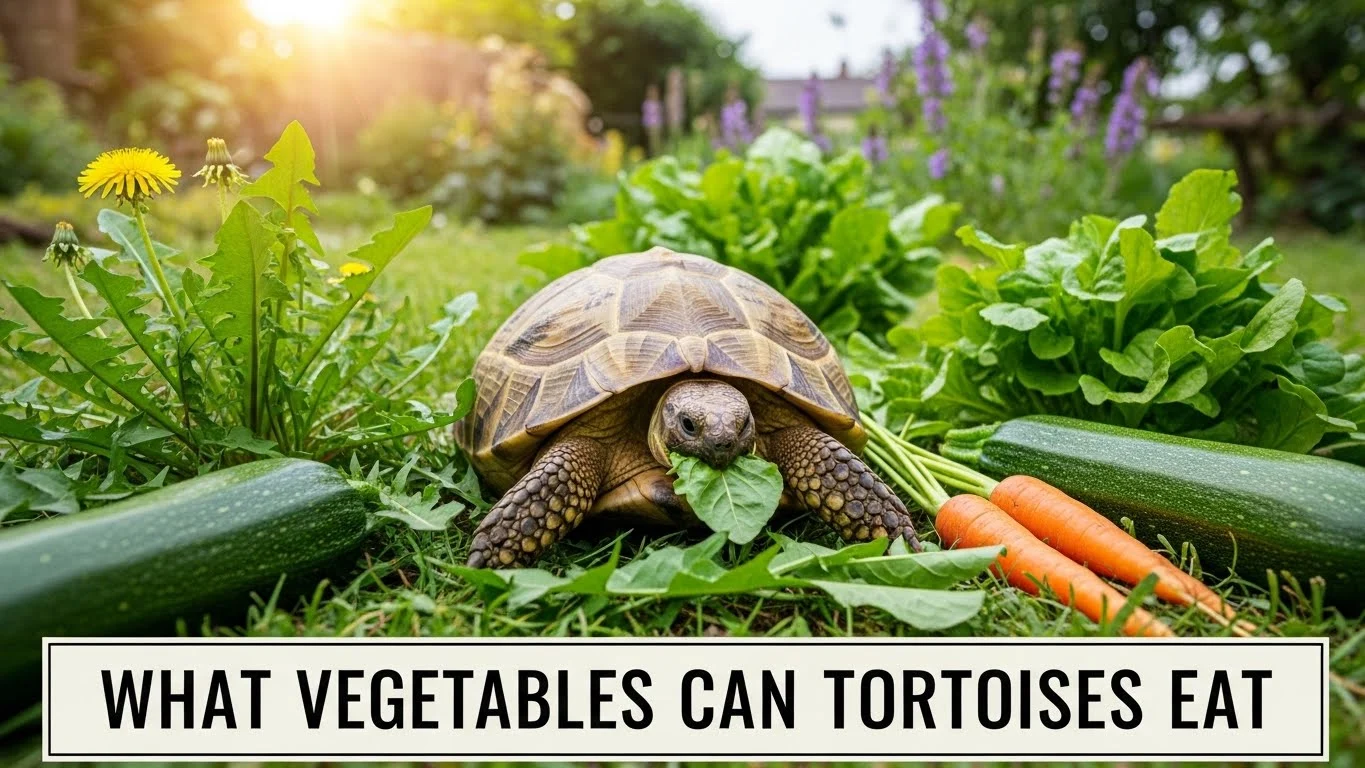
If you’re a tortoise owner, you know how important it is to provide them with the right food to keep them healthy and happy. One of the most common questions among tortoise owners is, “What vegetables can tortoises eat?” Ensuring that your tortoise is getting the right variety of vegetables is key to their long-term health. In this comprehensive guide, we’ll explore the best vegetables, the ones to avoid, and tips for feeding tortoises in different seasons.
Why the Right Vegetables Matter for Your Tortoise
Tortoises are herbivores, meaning their diet should consist mostly of plants. Offering the right types of vegetables ensures they receive the necessary vitamins, minerals, and fiber, which promote good digestion and overall health. A varied and balanced diet is essential to maintain their shell and immune system, as well as support healthy growth.
What Vegetables Can Tortoises Eat Every Day?
Tortoises thrive on a variety of vegetables, but it’s crucial to offer them fresh, safe options regularly. Here’s a list of some of the best vegetables that tortoises can eat every day:
1. Leafy Greens
Leafy greens are rich in calcium, fiber, and vitamins. They are a great staple in your tortoise’s diet. The best leafy greens for tortoises include:
- Dandelion greens: A natural and nutrient-rich option.
- Collard greens: High in calcium and vitamin A.
- Mustard greens: Full of antioxidants and fiber.
- Turnip greens: Excellent for bone health.
2. Cucumbers
Cucumbers are a good source of hydration and can be fed frequently to tortoises. These veggies have a high water content, helping to keep your tortoise hydrated.
3. Zucchini
Zucchini is low in oxalates, making it a safe option for tortoises. It is also easy to digest and provides a great source of vitamins.
4. Kale
Kale is rich in vitamins C and K, making it an excellent vegetable for your tortoise. However, it’s best to offer it in moderation to avoid an excess of oxalates.
5. Carrots
Carrots are packed with beta-carotene, which is essential for your tortoise’s vision and immune health. Offer carrots in small pieces to avoid choking hazards.
What Vegetables Should Tortoises Eat Occasionally?
While some vegetables can be fed regularly, others are best given in moderation. Here are a few that should be fed occasionally:
1. Tomatoes
Tomatoes are safe for tortoises in small amounts. They should only be offered occasionally, as they are high in water content and may cause digestive issues if given too often.
2. Peppers
Peppers are rich in vitamins and antioxidants, but they should only be served once in a while due to their high water content.
3. Squash
Squash is a good occasional treat but should not be a mainstay in their diet due to its sugar content.
Vegetables to Avoid Feeding Your Tortoise
While it’s tempting to offer a variety of vegetables, there are some that can harm your tortoise. Be sure to avoid the following:
- Iceberg lettuce: Lacks nutritional value and can cause digestive issues.
- Onions and garlic: These can be toxic to tortoises and should never be fed.
- Potatoes: They contain solanine, which is poisonous to tortoises.
- Spinach: Contains oxalates that can bind to calcium and prevent its absorption, leading to bone issues.
What Vegetables Can Tortoises Eat in the Winter?
Tortoises have specific dietary needs in the winter months. While they may reduce their activity levels, it’s important to continue offering nutritious vegetables to keep their immune system strong.
1. Leafy Greens
Leafy greens such as dandelion greens and kale can still be offered during the winter. Just make sure they are fresh, as winter greens can sometimes be less nutritious.
2. Root Vegetables
Root vegetables like sweet potatoes and carrots are excellent for winter feeding. They have a long shelf life and are packed with nutrients that your tortoise needs.
3. Herbs
You can also offer fresh herbs like parsley and basil in winter. These herbs can add variety to your tortoise’s diet, even when fresh vegetables may be harder to find.
What Vegetables Can Tortoises Eat in the UK?
If you’re in the UK, you’ll have access to a wide variety of vegetables suitable for your tortoise. Many of the common vegetables available in the UK can be fed to your tortoise, including:
- Cabbage (in moderation)
- Carrots
- Broccoli (not too often, as it can cause bloating)
- Herbs like thyme and rosemary
It’s important to feed them organic, pesticide-free vegetables to avoid any potential harm.
Common Questions About What Vegetables Tortoises Eat
What Greens Can Tortoises Eat?
Tortoises can eat a variety of leafy greens such as collard greens, turnip greens, dandelion greens, and mustard greens. These are packed with the vitamins and minerals tortoises need for healthy digestion and shell growth.
What Foods Can Tortoises Eat?
In addition to vegetables, tortoises can eat various other foods such as fruits (in moderation), flowers (like hibiscus and pansies), and grasses. A healthy, varied diet is essential for their long-term health.
What Vegetables Should Tortoises Eat for a Balanced Diet?
To maintain a balanced diet, tortoises should eat a mix of leafy greens, occasional fruits, and safe vegetables. Be sure to offer them in appropriate proportions to ensure they are not getting too many high-oxalate or sugary foods.
READ MORE: Kennel Cough Vaccine Side Effects: What You Need to Know for Your Pet’s Health
Conclusion
Feeding your tortoise the right vegetables is crucial for maintaining their health and wellbeing. By offering a mix of leafy greens, hydrating vegetables like cucumbers, and occasional treats such as tomatoes and peppers, you can ensure your tortoise has a well-rounded, nutrient-dense diet. Always be mindful of what vegetables are toxic and avoid them, ensuring your pet lives a long and healthy life.

1 Comment
Pingback: Kennel Cough Vaccine Side Effects: What You Need to Know for Your Pet's Health - BritPulse Kennel Cough Vaccine Side Effects: What You Need to Know for Your Dog's Health