

Introduction
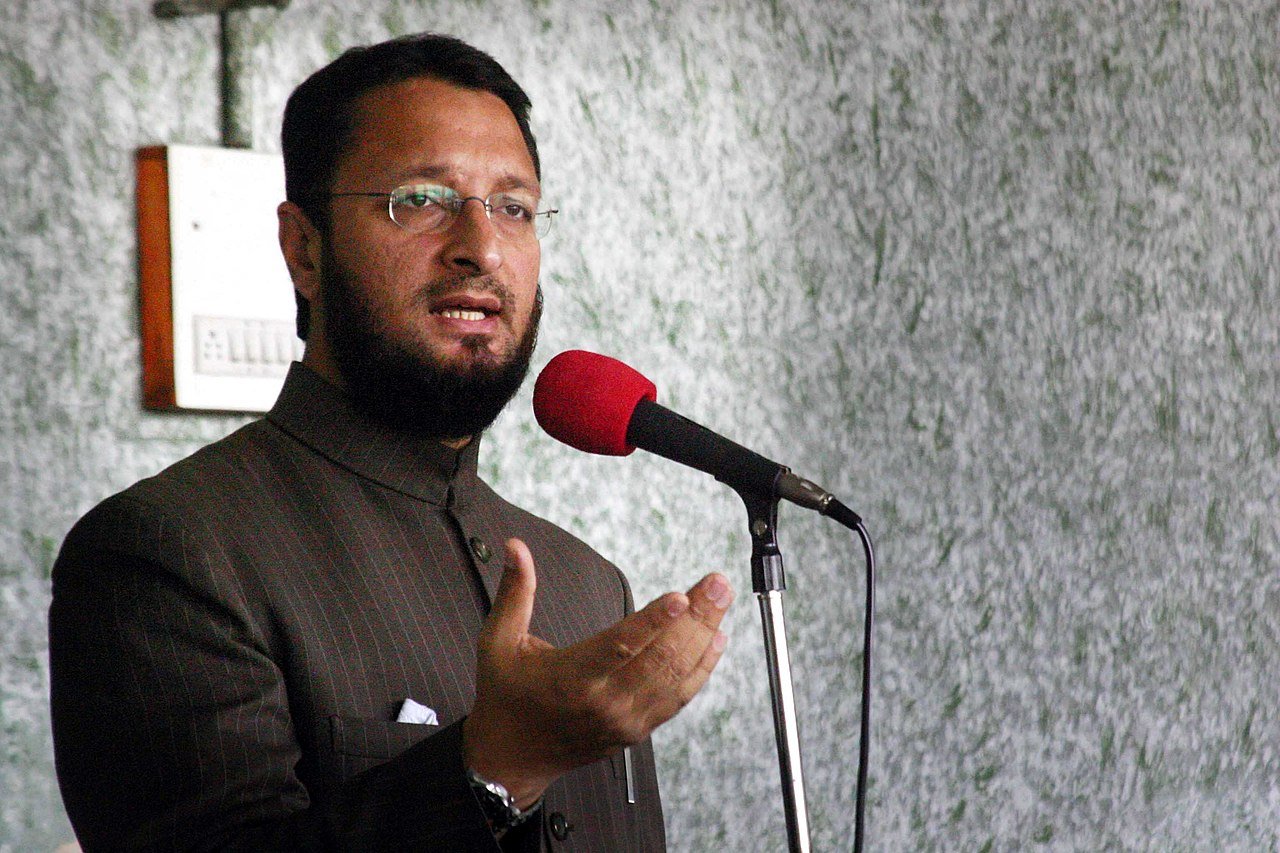
Asaduddin Owaisi is one of the most prominent and controversial figures in Indian politics. Known for his bold stance on religious and minority issues, Owaisi has been a central figure in shaping the political discourse, especially for the Muslim community in India. In this article, we’ll explore 10 powerful facts about Asaduddin Owaisi that will give you a deeper understanding of his career, views, and influence.
Asaduddin Owaisi’s Early Life and Education
Asaduddin Owaisi was born on June 13, 1970, in Hyderabad, India. He comes from a well-known political family. His father, Sultan Salahuddin Owaisi, was a leading figure in the All India Majlis-e-Ittehad-ul-Muslimeen (AIMIM), a party that Asaduddin eventually took over after his father’s passing in 2008. Owaisi studied law and graduated from Osmania University in Hyderabad before completing his master’s degree in law from the London School of Economics.
A Legacy of Political Leadership
The Owaisi family has a rich history of political leadership in Hyderabad. Asaduddin Owaisi’s grandfather, Abdul Wahed Owaisi, was an influential figure, and his father, Sultan Salahuddin Owaisi, was an important leader in Indian politics. Following in their footsteps, Asaduddin Owaisi inherited his family’s legacy and became a prominent voice in the Indian political scene, especially for the Muslim community.
Owaisi’s Rise to National Prominence
Asaduddin Owaisi first entered politics in the 1990s, joining the AIMIM at a young age. However, it was after his father’s death that Owaisi rose to national prominence, taking over the leadership of AIMIM. Over the years, he expanded the party’s influence beyond Hyderabad and Telangana, even contesting elections in states like Uttar Pradesh, Bihar, and West Bengal. His rise was marked by a clear, unwavering focus on the welfare of Muslims and other marginalized groups.
His Leadership of AIMIM
Under Owaisi’s leadership, AIMIM has become a significant political force, especially in Telangana, where it holds considerable influence. Owaisi has led AIMIM to contest and win several seats in state and national elections. His leadership has been marked by an assertive, sometimes controversial, approach, with a strong focus on empowering the Muslim community and promoting secularism.
Owaisi’s Role in Indian Parliament
Owaisi has been elected to the Indian Parliament multiple times, representing the Hyderabad constituency. As a Member of Parliament (MP), he has raised important issues related to religious freedom, secularism, and the socio-economic issues facing Muslims in India. His speeches in Parliament often highlight the concerns of minorities and criticize policies that he believes marginalize them.
Opposition to CAA and NRC
One of Owaisi’s most notable political stances has been his opposition to the Citizenship Amendment Act (CAA) and the National Register of Citizens (NRC). He has argued that these laws discriminate against Muslims and other minority groups, accusing the government of trying to marginalize them. Owaisi’s firm stand against these policies has earned him both support and criticism, but it has made him a key voice in the ongoing national debate on these issues.
Strong Advocacy for Secularism
Asaduddin Owaisi is a strong advocate for India’s secular Constitution. He argues that India must remain a secular nation where all citizens, regardless of their religion, enjoy equal rights. Owaisi has often been critical of the Hindu nationalist agenda of the BJP, claiming that the party’s policies threaten the secular fabric of Indian society. His advocacy for secularism is one of the core elements of his political identity.
Owaisi’s Views on Social and Economic Issues
Owaisi’s politics are not just limited to religious issues; he also speaks on social and economic topics. He is an advocate for the economic empowerment of marginalized communities, particularly Muslims, who he believes are often left behind in terms of education, employment, and social welfare. Owaisi’s policies focus on improving the socio-economic conditions of these groups.
Controversial Speeches and Rhetoric
Asaduddin Owaisi is known for his fiery speeches, which often include sharp critiques of the Indian government and its policies. His rhetoric has led to accusations of promoting communalism and dividing society. Some of his opponents argue that Owaisi’s speeches sometimes fuel tensions between religious communities. However, his supporters argue that he is merely defending the rights of Muslims and other marginalized groups.
Vision for India’s Future
Asaduddin Owaisi envisions an India where secularism, democracy, and equality prevail. He seeks a nation where all citizens, irrespective of their religion, have equal opportunities. His vision includes policies for better access to education, healthcare, and employment for Muslims and other disadvantaged communities. Owaisi’s future plans also focus on protecting India’s diversity and ensuring that no community feels marginalized or left behind.
Frequently Asked Questions
1. What is Asaduddin Owaisi’s stance on the CAA and NRC?
Owaisi has strongly opposed both the Citizenship Amendment Act (CAA) and the National Register of Citizens (NRC), arguing that they discriminate against Muslims and threaten India’s secular identity.
2. What role does Owaisi play in Indian politics?
Owaisi is the leader of the All India Majlis-e-Ittehad-ul-Muslimeen (AIMIM) and a Member of Parliament (MP). He is known for advocating for the rights of Muslims and marginalized communities in India.
3. Has Owaisi ever been involved in any controversies?
Yes, Owaisi has been a subject of controversy due to his strong rhetoric, which some critics accuse of stoking communal tensions, while others see it as a necessary defense of minority rights.
READ MORE: BRITPULSE
Conclusion
Asaduddin Owaisi remains one of the most important and controversial figures in Indian politics today. Whether you agree with his policies or not, his impact on the political landscape is undeniable. Through his leadership of AIMIM, his strong advocacy for minority rights, and his unwavering stance on secularism, Owaisi continues to be a key voice in the political discourse of India. His future in Indian politics will undoubtedly be marked by both challenges and achievements, but one thing is certain—his influence is here to stay.
