

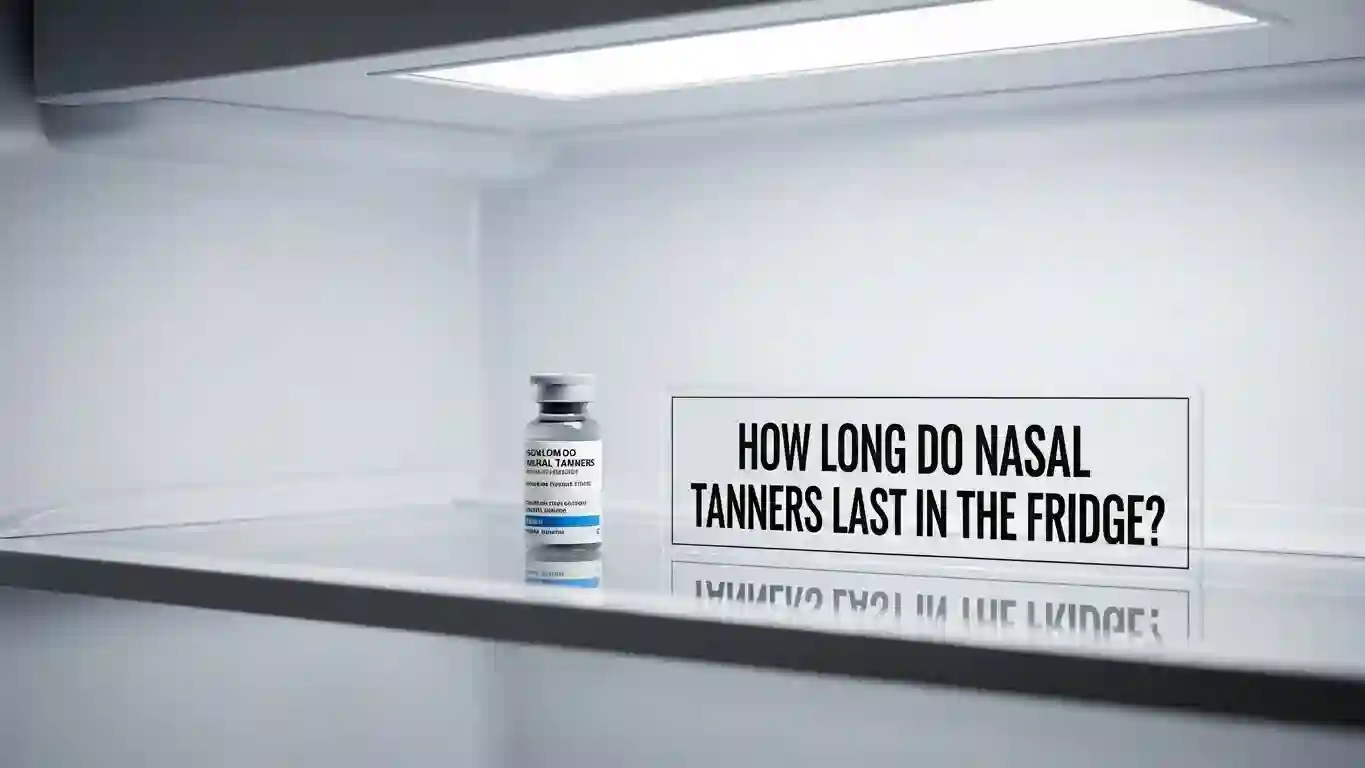
Understanding how long nasal tanners last in the fridge is essential for anyone using these products for tanning support, peptide-based skin enhancement, or melanin-stimulating purposes. Proper storage helps maintain their potency, safety, and effectiveness. Whether you are new to nasal tanners or already familiar with them, knowing the correct shelf life and optimal fridge storage conditions can make a significant difference in your results.
This in-depth guide explains what affects the longevity of nasal tanners, how refrigeration helps, signs of degradation, and best practices to make them last as long as possible.
What Are Nasal Tanners?
Nasal tanners are compounds typically used to promote melanin production. They are often peptide-based, meaning their structure is sensitive to heat, light, and environmental changes. Because of this, storage conditions directly influence their lifespan.
Most nasal tanners are supplied as:
- Ready-to-use nasal sprays
- Reconstituted peptide solutions
- Powdered forms requiring mixing
Each type has slightly different storage requirements, but refrigeration remains the most recommended method for maximizing freshness.
How Long Do Nasal Tanners Last in the Fridge?
In general, most nasal tanners last between 2 to 8 weeks in the refrigerator once they are opened or mixed. The exact duration depends on several factors including formulation, purity, preservatives, and handling.
Average Shelf Life Breakdown
Here is a typical estimate for refrigerated nasal tanners:
- Reconstituted or liquid form: 4 to 8 weeks
- Ready-made nasal spray: 2 to 6 weeks
- Unmixed powder: Often lasts much longer, sometimes several months
The key reason refrigeration works is because it slows down bacterial growth and peptide breakdown, keeping the solution stable for a longer period.
Why Refrigeration Extends the Life of Nasal Tanners
Temperature Stability Is Crucial
Peptides are delicate molecules that can degrade when exposed to warm temperatures. Refrigeration at a stable temperature slows chemical reactions, preserving effectiveness.
Prevents Bacterial Contamination
Cold temperatures help prevent microbes from multiplying, which reduces the chance of contamination—especially important for nasal products.
Maintains Potency
Nasal tanners stored in the fridge retain their color, consistency, and strength significantly better than those kept at room temperature.
Factors That Influence How Long Nasal Tanners Last in the Fridge
Formulation Quality
Higher-purity products with fewer additives generally last longer but may degrade faster if exposed to heat. Preservatives can extend longevity slightly.
Type of Container
Sterile, dark, airtight containers protect the solution from:
- Light exposure
- Oxidation
- Airborne contaminants
Storage quality heavily affects lifespan.
Frequency of Use
Every time the bottle is opened, air and bacteria may enter. This gradual exposure can reduce shelf life, even in the fridge.
Mixing Technique
Improper mixing or using unsterile water could shorten the usable life of the product.
Signs Your Nasal Tanner Has Gone Bad
Changes in Color
Any darkening, cloudiness, or unexpected discoloration can signal that the product is degrading.
Unusual Smell
A sour or chemical-like odor is a strong indication that the solution is no longer fresh.
Separation or Sediment
If the liquid separates into layers or contains particles, it may no longer be stable.
Reduced Effectiveness
If you notice weaker results despite consistent use, the product may be losing potency.
How to Store Nasal Tanners Properly in the Fridge
Ideal Temperature Range
Nasal tanners should be kept at 2°C to 8°C, which is standard refrigerator temperature.
Avoid the Freezer
Freezing can damage delicate peptide structures and permanently reduce effectiveness.
Don’t Store in the Fridge Door
Frequent temperature fluctuations from opening and closing the door may shorten lifespan.
Keep the Bottle Airtight
Always ensure the cap is tightly sealed to prevent contamination and moisture exposure.
Use Clean Hands When Handling
Even tiny amounts of bacteria can multiply, affecting shelf life.
Can Nasal Tanners Be Stored at Room Temperature?
While some products may tolerate room temperature for short periods, long-term room-temperature storage is not recommended. Warm conditions accelerate peptide breakdown and reduce stability.
When Room Temperature Is Acceptable
Short transport times or brief exposure, such as during use, are typically safe, but immediate refrigeration is advised afterward.
Maximizing the Shelf Life of Nasal Tanners
Store Before Mixing
If your product arrives in powder form, keeping it unmixed in the fridge or a cool cupboard extends its life considerably.
Mix Small Batches
Only prepare what you will use within a few weeks. This avoids waste and ensures maximum freshness.
Label the Date
Always note:
- The date you mixed or opened the product
- The expected expiration period
Tracking these helps ensure safe and effective use.
Avoid Heat Exposure
Never leave nasal tanners in a hot car, near windows, or close to heating appliances. Even short bursts of heat can compromise stability.
Is It Safe to Use Nasal Tanners After They Expire?
Expired nasal tanners may:
- Lose potency
- Develop bacterial contamination
- Change structurally
Using expired products is not recommended. It is better to dispose of old solutions and prepare a fresh batch when needed.
Final Thoughts
Understanding how long nasal tanners last in the fridge is crucial for maintaining their quality and effectiveness. Most refrigerated nasal tanners remain usable for 2 to 8 weeks, depending on their formulation and how carefully they are stored. Refrigeration dramatically slows degradation, protects the peptides, and ensures you get the best results.
With proper handling, airtight storage, consistent temperature, and good hygiene practices, you can significantly extend the life of your nasal tanners and enjoy better performance from each dose.
✅ FAQs
1. How long do nasal tanners last in the fridge after mixing?
Most nasal tanners last 4 to 8 weeks in the refrigerator once they are mixed. Refrigeration slows down degradation and helps preserve the peptide structure.
2. Do unmixed nasal tanners last longer?
Yes. Powdered, unmixed nasal tanners typically last several months, especially when stored in a cool and dark place. Once mixed, the lifespan becomes much shorter.
3. What is the ideal fridge temperature for storing nasal tanners?
The recommended storage temperature is 2°C to 8°C, which is standard for most household refrigerators and prevents the product from deteriorating quickly.
4. Can nasal tanners be frozen to extend shelf life?
No. Freezing can damage the peptide structure, causing the solution to lose potency. Nasal tanners should never be stored in the freezer.
5. How do I know if my nasal tanner has gone bad?
Changes in color, cloudiness, unusual odor, or visible separation are common signs of spoilage. Loss of effectiveness may also indicate that the product is no longer stable.
6. Do nasal tanners expire faster if kept at room temperature?
Yes. Room-temperature storage speeds up breakdown and increases the risk of bacterial growth. Always refrigerate them to maintain potency.
7. What affects the longevity of nasal tanners in the fridge?
Factors include product purity, preservatives, container type, exposure to air, and handling. Airtight and sterile storage extends the shelf life.
8. Is it safe to use nasal tanners past the recommended shelf life?
Using expired nasal tanners is not advised because the solution may lose potency or become contaminated. Fresh batches are always safer.
9. Should I shake the nasal tanner before use?
Light shaking is usually acceptable, but harsh shaking can damage peptide stability. Follow the product’s handling instructions.
10. How can I maximize the shelf life of nasal tanners?
Use sterile water when mixing, keep the container airtight, store it in the main fridge compartment (not the door), and avoid frequent temperature changes.
